Cutting Through the Noise: What It Really Takes for Chicago Youth Players to Shine at the High School Level
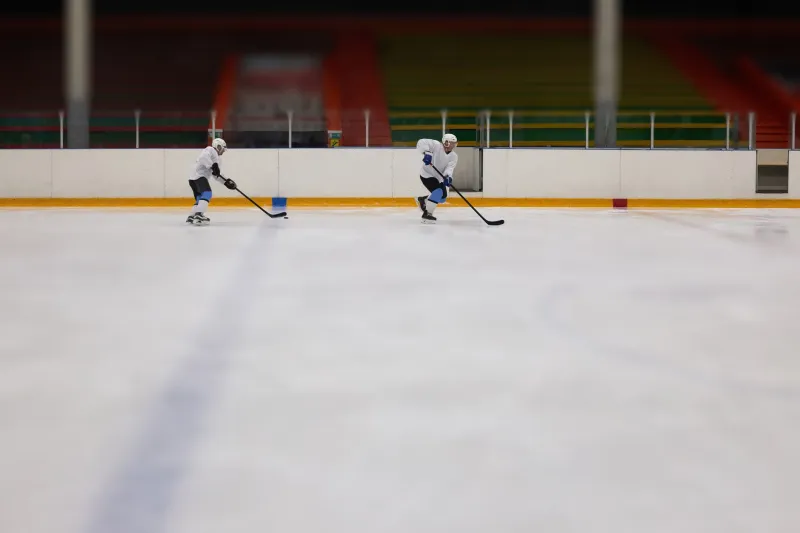
Every winter, thousands of kids lace up their skates across Chicagoland — from the outdoor rinks at Millennium Park to the busy sheets at Johnny's IceHouse and the Edge Ice Arena in Bensenville. Most of them just love the game. But a small, determined group has bigger ambitions: making the jump from youth hockey all the way to high school varsity, where the competition gets real and the stakes get higher.
That transition — from recreational mites and squirts to high-pressure bantam and midget play, and eventually to high school rosters — is one of the most talked-about topics among Chicago-area hockey families. And for good reason. It's not just about skill. It's about timing, mentality, family support, and frankly, a little bit of luck.
We dug into the developmental pipeline here in the Chicago area, spoke with coaches and parents who've lived through it, and pulled together what we think is a pretty honest picture of what it takes.
The Foundation Years: More Than Just Mite Madness
Ask any experienced youth hockey coach in the Chicago area and they'll tell you the same thing: the foundational years — typically ages 6 through 10 — are less about producing elite skaters and more about building a genuine love for the game.
"If a kid is grinding through practice at age seven because their parents want them to be the next Jonathan Toews, that's a red flag," says one longtime coach who runs a squirt program out of the northwest suburbs. "The kids who make it to high school varsity almost always have one thing in common — they genuinely can't wait to get on the ice. You can't manufacture that."
That intrinsic motivation tends to show up early. Parents who push too hard during those formative years risk burning kids out before they ever hit bantam hockey. The Chicago area has no shortage of talented 8-year-olds who were done with the sport by 13.
For families hoping to give their young player the best shot, the advice is simple but easy to overlook: keep it fun, focus on skating fundamentals, and let the kid lead the way on how serious things get.
The Bantam Crossroads: Where the Real Sorting Happens
If there's one age range that coaches consistently point to as the make-or-break period, it's bantam hockey — roughly ages 13 to 14. This is when the gap between recreational play and competitive hockey starts to widen dramatically, and when players who want to pursue the high school route need to start making deliberate choices.
Take the story of Marcus D., a 16-year-old currently playing for his suburban Chicago high school's varsity squad. He started skating at 5, played house league through squirts, and made the jump to a competitive AAA program at 12. His mom, Renee, remembers the bantam years as both exciting and genuinely stressful.
"There was a point where we were driving four or five days a week, tournaments every other weekend, and Marcus was also trying to keep his grades up," she recalls. "We had to sit down as a family and ask — is this what he wants, or is this what we want for him? Turns out it was absolutely what he wanted. But you have to have that conversation."
Marcus credits his bantam coach with teaching him something beyond hockey: how to compete without panicking. "He always said the mental side of the game is 50 percent of it. I didn't really get that until I was actually in a high school tryout and had to slow down and trust my training."
Choosing the Right Program: Travel, Tier II, and High School Hockey
One of the most confusing parts of the Chicago youth hockey landscape for newer families is understanding how all the different levels and programs connect — or don't. You've got USA Hockey-affiliated travel programs, Tier I AAA clubs, Tier II AA leagues, high school associations, and everything in between.
For players with high school ambitions, the path isn't one-size-fits-all. Some kids thrive by playing AAA travel hockey right through midget age and then earning a spot on a high school roster. Others find that the high school program itself — often more community-oriented and balanced with academics — is actually the better fit developmentally.
Coach Dave Ferencz, who has coached at the high school level in the Chicago suburbs for over a decade, sees both types come through his program every year. "I've had kids who played AAA their whole lives and they're technically polished but sometimes struggle with the team-first mentality that high school hockey demands. And then I've had kids who played Tier II AA, worked their tails off, and become captains. The resume matters less than the character."
His advice for families navigating the options? Prioritize ice time and coaching quality over the prestige of a program's name. A kid getting meaningful minutes and real coaching feedback in a Tier II program will often develop faster than one riding the bench on a flashy AAA roster.
The Academics Equation: Don't Sleep on This One
Here's the part that doesn't always make it into the highlight reels: high school hockey in Illinois requires players to maintain academic eligibility, and the demands of a competitive program — early morning skates, weekend tournaments, late-night bus rides home — can absolutely take a toll on grades if a player isn't organized.
Sophia T., a junior defenseman at a Chicago-area high school, says figuring out time management was the biggest adjustment when she made the varsity squad as a sophomore. "In travel hockey, it felt like hockey was the priority and school was secondary. In high school, if your grades slip, you don't play. Period. That was a wake-up call."
Sophia now keeps a shared calendar with her parents, blocks study time around practice, and communicates proactively with teachers when travel conflicts arise. "It sounds basic, but a lot of kids don't do it and then they're scrambling."
Coaches and parents we spoke with unanimously agreed: the players who manage the academic side well are almost always the same ones who handle the pressures of competitive hockey better too. Organization and discipline, it turns out, transfer across the board.
Actionable Takeaways for Players and Families
If your skater is somewhere in that developmental pipeline right now — whether they're a 10-year-old just starting to get serious or a 13-year-old deciding between programs — here's the distilled advice from the coaches and families we interviewed:
Let the player drive the ambition. External pressure from parents or coaches can push kids toward early burnout. The most successful high school players are almost always self-motivated.
Prioritize skating fundamentals early. Everything else — shooting, positioning, hockey sense — gets built on top of solid skating. Don't rush past the basics.
Choose ice time over prestige. A program where your kid is playing, growing, and getting coached beats a high-profile roster where they're watching from the bench.
Start building the mental game. Competitive hockey at the high school level is as much psychological as physical. Exposure to pressure situations in youth hockey — and learning to manage them — pays off big later.
Get the academics right. Seriously. Eligibility issues derail more promising high school hockey careers than injuries do.
Stay connected to the community. Chicago has a rich, passionate hockey culture. Local rinks, open skates, summer leagues — staying plugged in year-round keeps the love for the game alive and the skills sharp.
The path from a frozen pond in Elmhurst or a house league game in Orland Park to a high school varsity roster isn't guaranteed for anyone. But for the kids who want it badly enough — and whose families support them the right way — Chicago's developmental pipeline has everything they need to make it happen.
The ice is right here. The opportunity is real. Now it's just about putting in the work.