Crease Crashers: The Women and Girls Who Are Rewriting Chicago Hockey's Rulebook
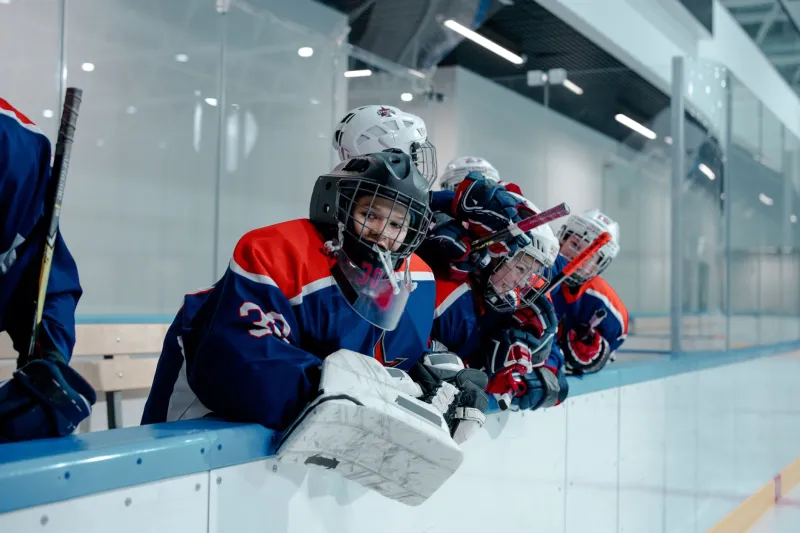
Walk into the lobby of a Chicago-area rink on a Saturday morning and you'll notice something that wasn't as common a decade ago: rows of hockey bags with names like Maddie, Ava, and Sofia stitched on the side. Pink tape on stick blades. A mom in the stands running a video camera not because her son is on the ice — but because her daughter is.
Girls' hockey in Chicago is having a moment. And that moment is starting to look a lot like a movement.
The Numbers Don't Lie
USA Hockey's annual participation surveys have tracked a steady and significant rise in female hockey registration nationwide over the past decade, and Illinois has been part of that wave. Locally, rink directors and program administrators across the Chicago metro report that girls' hockey divisions — from the youngest Learn to Skate participants through high school-age competitive squads — have seen consistent registration growth year over year.
For context: in the early 2000s, most Chicago-area rinks offered a single girls' recreational team, if they offered anything at all. Today, several organizations run multiple girls' teams across age divisions, and the demand for girls-specific development programming — power skating clinics, position-specific training, summer camps — has created an entirely new market segment that coaches and rink operators are working hard to serve.
"Five years ago we had one girls' team," said the director of a youth hockey program in the northwest suburbs who asked that the organization not be named. "Now we have four, and we had to turn away registrations this past fall. The demand is real."
Who's Driving the Growth
A few forces are converging to fuel this expansion, and they're worth understanding separately.
The Blackhawks effect. Chicago's NHL franchise has invested meaningfully in grassroots hockey development, and its community outreach programs have deliberately targeted underrepresented demographics — including girls. The visibility of professional women's hockey, particularly the growth of the Professional Women's Hockey League (PWHL) and its increasingly prominent media coverage, has given young girls a clear and compelling vision of what a hockey career can look like.
Title IX's long tail. The cultural shift in how American families think about girls in sports — accelerated by decades of Title IX implementation in schools — has created a generation of parents who actively seek out competitive athletic opportunities for their daughters. Hockey, once seen as a niche or male-coded sport, is increasingly on that list.
Player-to-player recruitment. In many Chicago-area communities, the fastest-growing driver of girls' hockey participation is simply word of mouth. A girl tries hockey, loves it, tells her friends. Her friends sign up. This organic social recruitment is happening at a pace that formal marketing programs can barely keep up with.
Rising Stars From the Chicago Ice
The growth isn't just in numbers — it's in talent level. Chicago has produced female hockey players who have gone on to compete at elite levels, including NCAA Division I programs and national team development camps.
Programs like the Chicago Mission's girls' division and Team Illinois have developed players who've earned attention from college coaches at programs like Wisconsin, Minnesota, and Northeastern. The pipeline is young but it's real, and the players coming through it are arriving at the next level better prepared technically than previous generations.
One player who came up through a Chicago-area girls' program and recently committed to a Division I school in the Big Ten described her development experience as genuinely competitive. "I never felt like I was getting a lesser version of the training," she said. "My coaches pushed me just as hard as the boys' coaches pushed those guys. That's what prepared me."
The Adaptation Challenge for Established Programs
Here's where things get complicated. The surge in girls' hockey participation is forcing programs that were built around boys' hockey — in terms of scheduling, coaching philosophy, facility allocation, and culture — to adapt quickly. Not all of them are doing it gracefully.
Ice time allocation is a genuine flashpoint. In rinks where boys' and girls' programs share limited ice, the politics of scheduling can get ugly. Girls' programs have historically received less desirable time slots — early Sunday mornings, late weeknight hours — and the pushback from families is growing louder as the programs grow larger and more competitive.
"We had to fight for prime ice time this season," said one mother whose daughter plays on a competitive girls' team in the south suburbs. "The boys' programs had been there longer, so they had priority. But we've got just as many kids, just as much commitment. It's frustrating."
Coaching is another pressure point. Girls' hockey requires coaching that's sensitive to different developmental timelines, communication styles, and team dynamics — not because girls are less capable athletes, but because the experience of growing up female in a sport with a male-dominated culture creates specific challenges that effective coaches need to understand. Finding coaches with both technical hockey expertise and genuine experience in girls' athletics is harder than it should be.
Some organizations have addressed this by actively recruiting female coaches and by investing in coaching education specifically focused on the girls' game. Others are still catching up.
Rink Culture in Transition
Maybe the most interesting development is the broader cultural shift happening inside Chicago's hockey facilities. Rinks that once felt exclusively coded for a certain demographic — male, often white, often suburban — are increasingly becoming more diverse, more welcoming, and more reflective of the actual city they're located in.
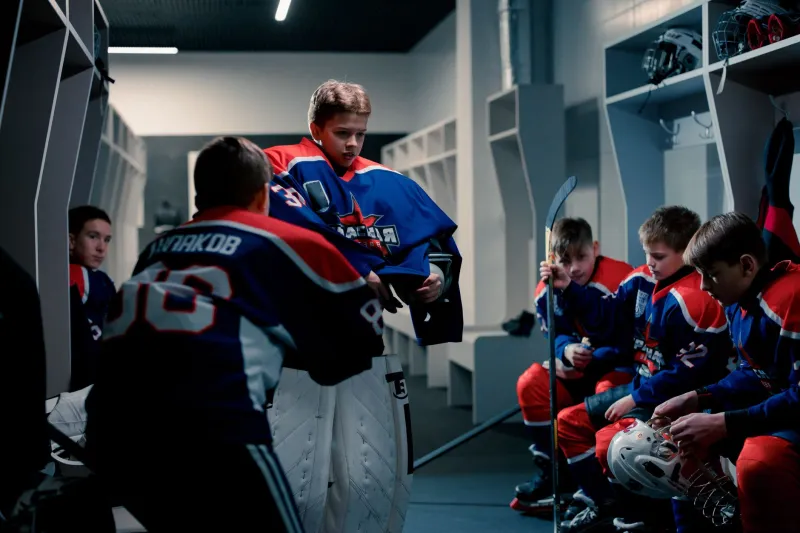
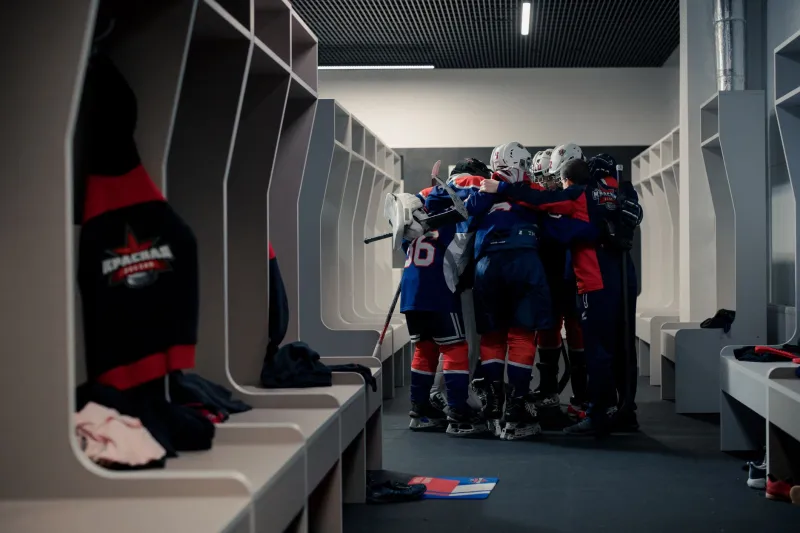
Girls' hockey is part of that shift. When young girls see themselves represented on team photos hanging in the rink lobby, when they have locker rooms that aren't an afterthought, when their games draw real crowds and not just a handful of parents — the message sent to the next generation of potential players is powerful.
"My daughter walked into that rink and saw a girl about her age playing in full gear and going hard," said one Chicago parent whose family is new to hockey. "That was it. She was done. She wanted to play. I don't think that moment would have happened five years ago."
What Comes Next
The trajectory for girls' hockey in Chicago points upward — but sustaining and accelerating that growth will require deliberate investment. More girls-specific development programming. Equitable ice time allocation. Coaching pipelines that include women. And a broader cultural embrace from the hockey community that treats the female game not as a supplement to the boys' game, but as a full and equal part of what Chicago hockey actually is.
The girls aren't just taking up space on Chicago's ice anymore. They're reshaping what that ice stands for.