Sixty Minutes to the Rink: The Hidden Commute Behind Every Chicago Youth Hockey Practice
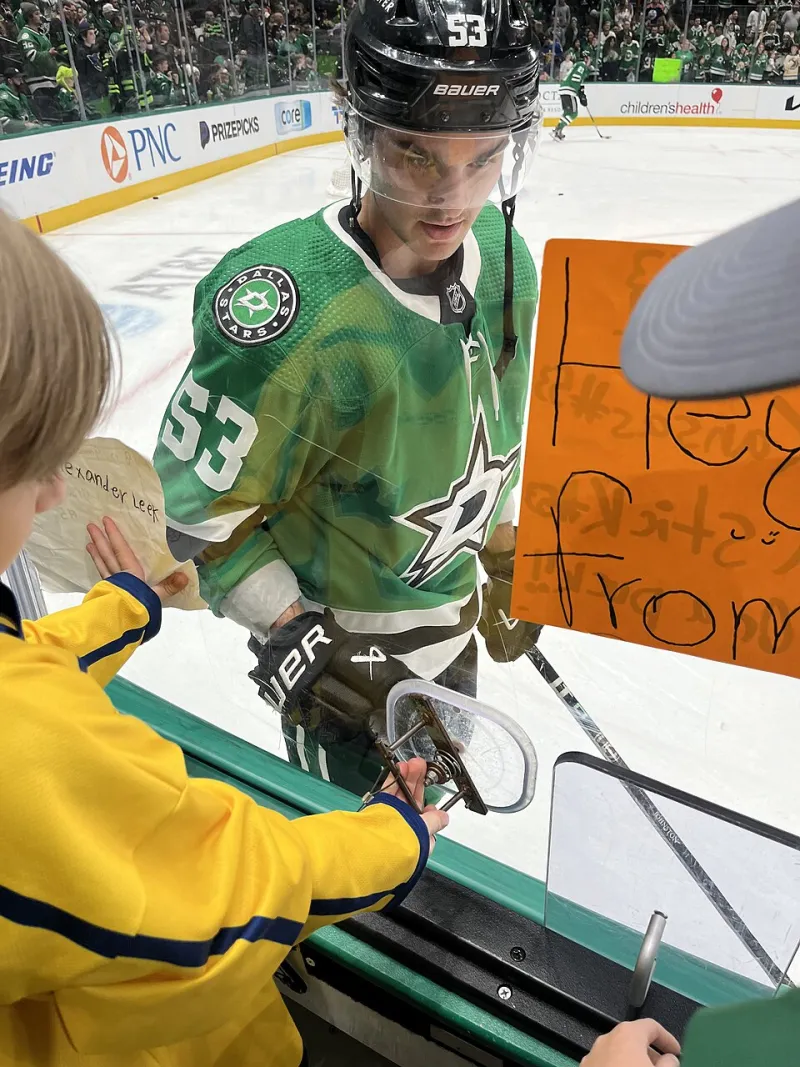
Photo: Cass, CC BY-SA 4.0, via Wikimedia Commons
It's 4:40 AM in Naperville. The coffee maker is already running, and a 13-year-old defenseman is lacing his skates in the passenger seat of a Honda Odyssey while his dad merges onto I-88. Their destination: a rink on the far North Side for a 6:00 AM practice. Round trip, that's over two hours in the car — for a single hour of ice.
If you think that's an outlier, think again. Across the Chicago metro area, hundreds of youth hockey families are making drives that would make a Loop commuter wince. And the map of who plays — and who sticks with the sport — is being quietly redrawn by geography.
The Ice Deserts Are Real
Chicago has rinks. What it doesn't have is rinks where everyone needs them.
The North Shore and northwest suburbs are well served — think clusters of facilities in communities like Northbrook, Glenview, and Skokie. The city proper has a handful of beloved but aging barns. But head to the far South Side, the south suburbs, or parts of the Far West Side, and the options thin out fast. Some families in neighborhoods like Beverly or Hegewisch are looking at 45 minutes to over an hour just to reach a sheet of ice with a travel program attached.
Hockey people have a name for these gaps: ice deserts. And they matter more than most league websites admit. A kid who quits at age 10 because every practice costs a 90-minute round trip isn't a development failure. They're a transportation statistic.
What the Drive Actually Costs
Ask families what the commute takes out of them, and the answers go beyond gas money.
- Sleep. Early ice slots are a fact of youth hockey, but a 5 AM wake-up becomes brutal when the rink is 35 miles away. Pediatricians will tell you what tired parents already know: chronic sleep debt hits teenagers hardest.
- Homework window. A kid doing flashcards on the Kennedy at 5 PM is a familiar sight in Chicago hockey households. Long commutes eat the after-school hours that used to belong to academics.
- Family logistics. When one player's practice is an hour away, siblings' activities, dinner, and work schedules all bend around it.
- Money. At current Chicagoland gas prices, a family driving 500+ miles a month to rinks is looking at a second mortgage-sized line item — on top of tuition, gear, and tournament travel.
None of this shows up on a tryout flyer. All of it shows up in attrition rates.
Who Stays in the Game — and Why
Here's the uncomfortable part: rink geography shapes rosters. Programs anchored near dense suburban rink networks naturally draw from a wider radius, because families can justify the drive if it's only sometimes, not always. Kids growing up an hour from the nearest travel program face a steeper hill before they ever take a shift.
That said, Chicago's hockey community has never been short on hustle. Drive past a park district rink in Cicero or a tucked-away rink in Harvey on a Saturday morning and you'll find full sessions. The sport survives at the edges because volunteers and neighborhood coaches refuse to let it disappear.
The Carpool Renaissance
The most interesting development of the last few seasons isn't a new training method. It's logistics.
Travel programs across the metro area are informally organizing what amounts to ride-share networks. Team group chats now function as scheduling hubs: one family takes the early run Monday, another covers the Wednesday evening haul, and suddenly a 60-minute drive becomes a 60-minute drive every third week instead of every practice.
Some teams have gone further, designating a "commute coordinator" parent whose entire job is matching zip codes. A family in Oak Park and a family in Wheaton comparing notes can split a route neither wants alone. It's not glamorous. It is the difference between a kid making it to March and a kid hanging up his skates in November.
A few practical tips that keep popping up among veteran carpool families:
- Build the carpool before tryouts, not after. Knowing your ride situation changes which program is realistic.
- Set a rotation in writing. Verbal agreements collapse by Thanksgiving.
- Embrace the drive time. Some of the best player-parent conversations in Chicago youth hockey happen on I-355 at 6:15 AM. Ask around. It's a thing.
What Would Fix the Map
Long term, the answer is more ice — specifically in the underserved corridors south and west of the city. Every new rink proposal that surfaces in the metro area deserves support from hockey families, because accessibility compounds. More local ice means more kids trying the sport at age six, which means deeper rosters, which means stronger programs everywhere.
Until then, the 5 AM commute remains the invisible price of admission. Nobody posts it on a team's tuition page. But every family making that drive knows exactly what they're paying — and most will tell you, bleary-eyed at the rink door, that it's worth it.
Just maybe not every morning.