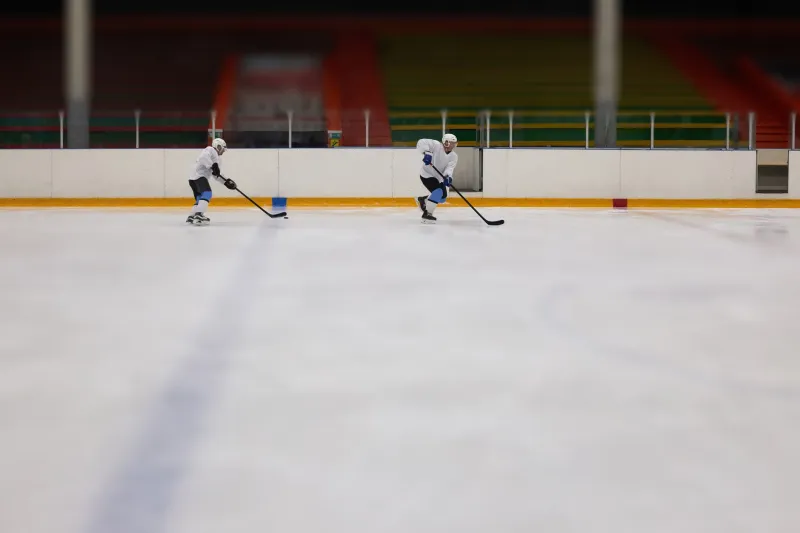
Why Are Chicago's Top Young Hockey Talents Walking Away — And How Do We Stop It?
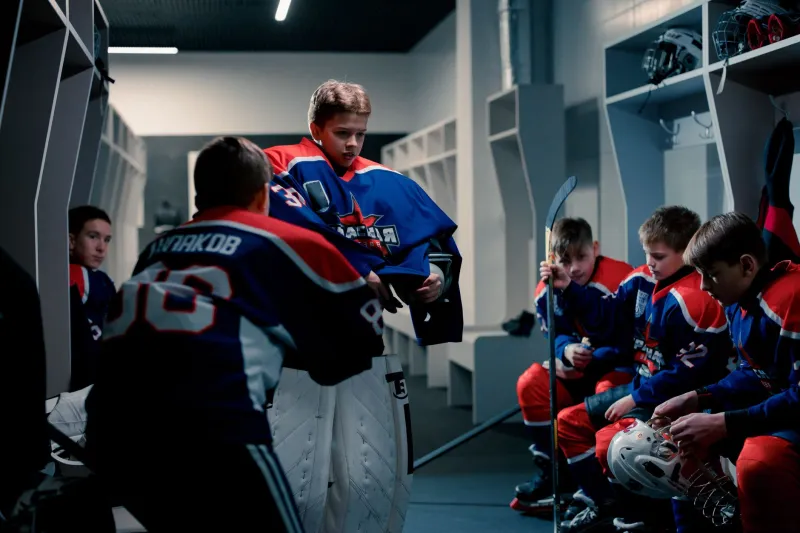
Picture this: a 14-year-old who's been skating since he was five, who's logged thousands of hours at Johnny's IceHouse and Glacier Ice Arena, who's shown real flashes of skill on the puck — and then one spring, he just... doesn't sign up for fall hockey. Instead, he's running drills at a basketball camp in Naperville or heading to a travel soccer tryout in the suburbs.
It's happening more than Chicago's hockey community wants to talk about. And if the sport doesn't start paying attention, it's going to keep losing some of its most promising young players to other sports that are actively working to recruit them.
This isn't about kids not loving hockey. Most of them still do. It's about a combination of financial pressure, limited access, and competing sports that have gotten very, very good at making the path forward feel easier and more attainable.
The Cost Problem Nobody Wants to Say Out Loud
Let's be real about something: youth hockey in Chicago is expensive. Like, genuinely, eye-wateringly expensive. When you add up registration fees, equipment, ice time, travel costs for tournaments, and the increasingly expected private lessons and skills sessions, families in the Chicagoland area can easily be looking at $5,000 to $10,000 or more per season depending on the level of play.
Now compare that to youth basketball or soccer. A travel soccer season might run a family $1,500 to $2,500 all-in. AAU basketball is similarly accessible by comparison. For families who are already stretching to make hockey work — especially those with multiple kids — the math starts to feel impossible right around the time players hit their teenage years and costs climb even higher.
Here's the kicker: those families often don't leave because they want to. They leave because they have to. And when a kid with legitimate talent walks out that door, it's not just a loss for the family — it's a loss for the entire Chicago hockey ecosystem.
Ice Time Is a Real Barrier, Even in a Hockey City
Chicago has a proud hockey identity, but access to quality ice isn't as widespread as you might think. Rinks are concentrated in certain suburban corridors, and for families on the South Side or in neighborhoods further from traditional hockey hotbeds, getting to practice three or four times a week can mean hours of driving and logistical juggling that simply isn't sustainable.
Meanwhile, a basketball court or a soccer field is almost always right around the corner. That proximity matters more than hockey insiders sometimes acknowledge. When a kid can walk to practice versus needing a 45-minute car ride each way, the sport that's physically closer often wins — especially as teenagers start developing their own sense of independence and schedule preferences.
Winter also creates its own complications. Outdoor rinks help, but Chicago's weather isn't always cooperative, and when it is bitterly cold, commitment to getting to an indoor rink can waver. Other sports have successfully built year-round indoor infrastructure that keeps kids engaged twelve months a year. Hockey hasn't always matched that consistency at the grassroots level.
Other Sports Are Actively Coming for Hockey Players
This part doesn't get talked about enough: basketball and soccer programs have figured out that hockey players are incredible athletes. The skating-developed balance, the spatial awareness, the team-first mentality — coaches in other sports know what they're looking at when a hockey kid walks into a tryout.
There are suburban basketball programs actively encouraging multi-sport athletes with hockey backgrounds to come out. Soccer clubs have started identifying hockey players as strong recruits because of their conditioning and footwork. These aren't accidents. These are intentional recruitment strategies, and they're working.
Hockey, by contrast, has sometimes operated with an almost insular mentality — assuming that once a kid is in the sport, they'll stay. That assumption is getting more dangerous by the year.
The Competitive Opportunity Gap
Another factor quietly pushing teenagers toward other sports is the perception — and sometimes the reality — that pathways in hockey are narrower. The NCAA has far more hockey programs than it used to, but basketball and soccer still offer dramatically more scholarship opportunities at the collegiate level. For a family investing serious money into a sport, that calculus matters.
Beyond college, the visibility of other sports is simply greater. A kid playing AAU basketball in Chicago has a realistic shot at being seen by coaches and scouts through a robust, well-organized circuit. Hockey's equivalent development pathways exist, but they're less visible and often less accessible to players outside the established club pipeline.
What Chicago Hockey Organizations Can Actually Do
The good news is that none of this is unfixable. Chicago's hockey community has real assets — passionate coaches, strong rink infrastructure, and a competitive tradition that genuinely develops elite athletes. The work now is making sure the sport is doing enough to keep the players it develops.
Financial accessibility has to be addressed head-on. More organizations need to create tiered pricing structures, robust scholarship funds, and equipment lending programs. Some clubs are already doing this quietly — it needs to become a visible, promoted part of how Chicago hockey presents itself to families on the fence.
Year-round programming matters. Summer hockey leagues, inline programs, and skills clinics keep kids connected to the sport when the traditional season ends. Organizations that go dark in May and June are giving players a six-month window to fall in love with something else.
Outreach into underserved communities has to be genuine and sustained. Programs like Learn to Skate USA and local initiatives have made inroads, but the work isn't done. Every kid who discovers hockey and sticks with it is a win for the entire community.
Celebrate the multi-sport athlete. Hockey organizations that pressure kids to choose the sport exclusively at young ages are accelerating burnout and resentment. Embracing multi-sport participation — especially at the Bantam level and below — actually produces better, more well-rounded hockey players in the long run.
Tell better stories. Social media, community events, and local coverage (hey, that's us) can do a lot to make hockey feel like a sport that belongs to all of Chicago — not just certain zip codes.
The Clock Is Ticking
Chicago has produced NHL players, Olympic athletes, and generations of people who credit the sport with teaching them discipline, toughness, and teamwork. That legacy doesn't sustain itself automatically. It requires organizations, coaches, and the broader hockey community to actively fight for every talented kid who might otherwise walk out the door.
The players are worth fighting for. The question is whether the sport is willing to do the work to keep them.