Grit Gets a New Definition: How Chicago Youth Hockey Is Trading Old-School Toughness for Mental Strength
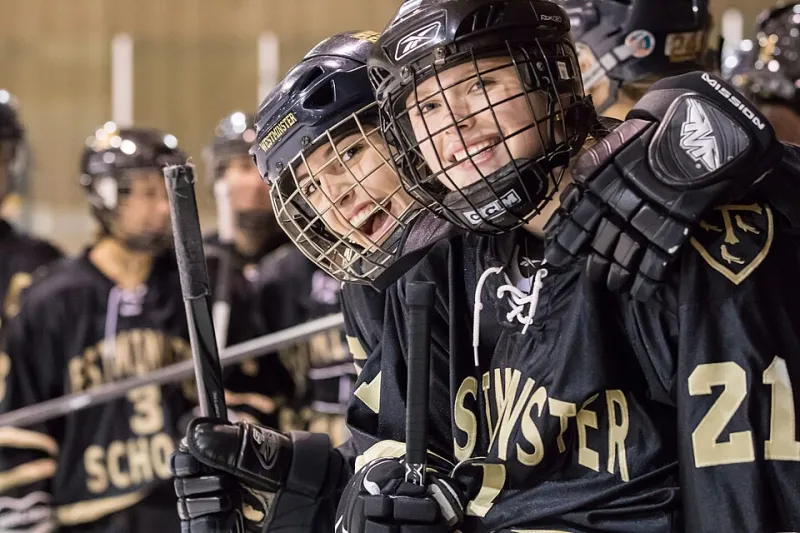
Photo: PJ Dakota, CC BY-SA 3.0, via Wikimedia Commons
For decades, the unwritten code of youth hockey locker rooms has been pretty simple: shake it off, don't show weakness, and get back on the ice. If you were hurting — physically or otherwise — you kept it to yourself. That was the Chicago way. Tough city, tough game, tough kids.
But something is shifting. Quietly, steadily, and with real conviction, coaches and organizations across the Chicago hockey community are starting to challenge that old playbook. And the argument isn't that toughness doesn't matter — it's that we've been measuring it wrong all along.
The Old Model and Why It's Breaking Down
Ask any veteran hockey parent in the Chicago suburbs and they'll tell you the same story. There was a time when showing emotion on the bench was seen as a liability. Crying after a tough loss? That was weakness. Struggling with anxiety before a big game? Suck it up. Mental health wasn't a conversation — it was barely even a concept in the context of youth sports.
The problem is, that approach has a ceiling. And for a lot of talented young players, it became a wall.
"We were losing kids not because they couldn't skate or shoot, but because they couldn't handle the pressure," said one Bantam-level coach from the northwest suburbs who's been behind the bench for over fifteen years. "And we weren't giving them any tools to deal with it. We just expected them to figure it out on their own."
The data backs that up. Youth sports dropout rates across the country have been climbing, and sports psychologists who work with young athletes consistently point to emotional burnout and unaddressed anxiety as major contributing factors. Chicago hockey, for all its proud tradition, isn't immune to those trends.
A Different Kind of Strength Training
Some organizations in the Chicago area have started doing something about it. A handful of programs — ranging from AAA clubs to house league setups — have begun incorporating mental skills training into their regular practice schedules. Not as a one-off seminar, but as an ongoing, integrated part of player development.
The concept isn't entirely new in pro sports. NHL teams have employed sports psychologists for years. What's changing is the trickle-down effect reaching the youth level, and the willingness of local coaches to actually embrace it rather than dismiss it.
"I used to think this stuff was soft," admitted a coach who runs a Peewee program on the South Side. "Then I watched a kid I coached for three years just fall apart mentally during tryout season. Great player. Completely locked up. That was a wake-up call for me."
He's since partnered with a licensed sports psychologist who meets with his players a few times a season to work on visualization techniques, pressure management, and what he calls "emotional reset" strategies — practical ways to move past mistakes during a game rather than spiraling.
What Players Are Actually Saying
Here's the part that might surprise some old-school hockey people: the kids are into it.
Talk to players in the 13-to-17 age range across Chicago-area programs and a consistent theme emerges. They're not looking for a softer game. They still want to compete hard, hit the corners, and win championships. But they're also more open than any previous generation about the mental side of performance — and they're frustrated when coaches ignore it.
"There's so much pressure at every level now," said one 15-year-old defenseman who plays for a competitive travel program in the western suburbs. "Everyone's filming everything, there are scouts at games, your parents are watching. The mental part is huge. If you don't have that under control, it doesn't matter how good your skating is."
That kind of self-awareness used to be rare in a teenager. Now it's increasingly common — and coaches who dismiss it are finding themselves out of step with the athletes they're trying to develop.
Dismantling Locker Room Culture Without Losing the Edge
The trickiest part of this shift isn't convincing players. It's changing the culture that exists between players — the locker room dynamics that have historically celebrated a certain kind of emotional shutdown.
Razzing a teammate for showing vulnerability. Laughing off a player who admits they're struggling. These behaviors are deeply embedded in hockey culture at every level, and they don't disappear overnight just because a coach decides to run a few mindfulness exercises.
The programs making real progress are the ones tackling it head-on. That means having direct conversations about what respect looks like in a locker room. It means modeling emotional honesty from the coaching staff down. And it means making clear that accountability and resilience are still the standard — the definition of those words has just evolved.
"We're not asking kids to be soft," one coach emphasized. "We're asking them to be self-aware. There's a massive difference. The toughest players I've ever coached are the ones who can acknowledge when something is wrong and still compete at a high level. That's harder than just grinding through everything."
The Role of Parents in All of This
No conversation about youth hockey culture is complete without talking about the parents — and this topic is no exception. Some of the biggest resistance to the mental toughness shift isn't coming from coaches or players. It's coming from the stands.
Parents who grew up in traditional hockey environments sometimes struggle to see mental skills work as legitimate development. There's a lingering sense that talking about anxiety or emotional management is somehow coddling kids who need to toughen up for the real world.
But sports psychologists working with Chicago-area teams say the framing matters enormously. When mental training is presented as a performance tool — something that makes players better competitors, not more fragile ones — buy-in tends to follow.
"I always tell parents, the best players in the world work on the mental game constantly," said one practitioner who consults with multiple youth programs in the metro area. "This isn't therapy. This is training. And it works."
What's Next for Chicago Hockey
This isn't a revolution that's going to happen all at once. Chicago hockey culture runs deep, and change moves slowly in tight-knit communities where tradition carries a lot of weight. There will still be coaches who roll their eyes at the mention of sports psychology, and locker rooms where the old code still rules.
But the direction is clear. The programs investing in mental skills development are seeing players stay in the game longer, perform more consistently under pressure, and — maybe most importantly — actually enjoy competing again.
That last part matters more than people give it credit for. A player who loves the game is going to work harder, push further, and stick around through the tough stretches. And in a city that takes its hockey seriously, keeping talented kids on the ice is worth whatever it takes.
Toughness isn't going anywhere in Chicago hockey. It's just getting smarter.