Roster Cut? Here's How Chicago Hockey Families Bounce Back Stronger
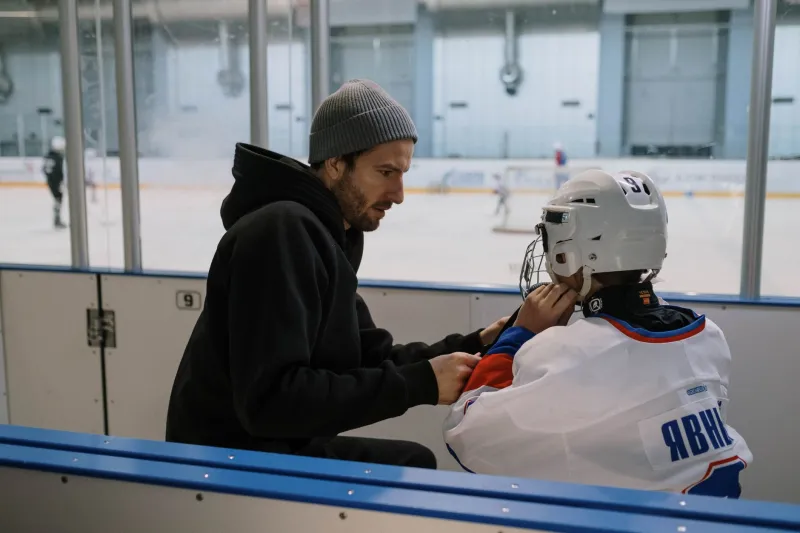
The drive home is the hardest part. Your kid is staring out the window, maybe crying, maybe just silent. You're gripping the steering wheel trying to figure out what on earth you're supposed to say. Roster cuts in youth hockey are brutal — there's really no sugarcoating it. But here's what a lot of Chicago hockey families have learned the hard way: a "no" from one program isn't the end of the story. Not even close.
Whether your son or daughter just got cut from a travel team, a rep squad, or a competitive house league, this guide is for you. We talked to local coaches, veteran hockey parents, and player development folks around the Chicagoland area to put together something actually useful — not just feel-good platitudes, but real steps you can take starting today.
Give It 24 Hours Before You Do Anything
Seriously. Do not send an email to the coach that night. Do not post in the team's Facebook group. Do not start texting other parents to compare notes. Give your family — and yourself — a full day to just feel the sting.
One youth hockey coach in the northwest suburbs put it plainly: "The calls I dread most are the ones I get within an hour of cuts being announced. Nobody's thinking clearly. The parents are upset, the kid is upset, and nothing productive happens." He's right. Emotions are running hot, and decisions made in that window rarely serve anyone well.
Let your kid lead the conversation. Some kids want to talk immediately. Others need a day or two to process. Follow their cue, and resist the urge to fix everything on the spot.
How to Talk to the Coach — And Actually Get Something Out of It
Once the dust settles, reaching out to the coach is absolutely worth doing — but how you approach it matters enormously. The goal isn't to argue the decision or lobby for a second look. The goal is information.
Ask for a brief meeting or phone call, and come in with genuine curiosity rather than frustration. Good questions to ask:
- What specific areas does my child need to develop?
- Were there particular moments in tryouts that stood out — positively or negatively?
- What would you recommend they work on before next season?
- Are there programs or training resources you'd suggest?
A coach who gives you honest, specific feedback is giving you gold. Write it down. That information becomes your player development roadmap for the next several months. Some of the best development stories in Chicago youth hockey started with exactly this kind of conversation.
If a coach is vague or dismissive, that's information too — about whether that program is really the right fit for your family long-term.
Rebuilding Confidence Without Forcing It
Your kid's confidence just took a hit. How you respond in the next few weeks will shape how they think about competition, failure, and resilience for years to come.
Avoid the temptation to immediately over-schedule them with private lessons, skills clinics, and extra ice time. That can send an unintentional message: you weren't good enough, so now we have to fix you. Instead, let them rest. Let them skate for fun. Let them remember why they loved the game before tryouts turned it into a performance.
When they're ready — and you'll know — have an honest conversation about what they want. Do they want to try out for a different team? Do they want to work on specific skills? Do they want to try a different level or league for a season? Their answer should drive the plan, not your anxiety about their development timeline.
One Naperville hockey mom shared this: "My son got cut at 12 and I thought it was the end of the world. We backed off, let him skate with friends for a few weeks, and then he came to us and said he wanted to try again. That ownership made all the difference. He made the team the next year and was way more motivated because it was his goal."
Exploring Your Options Around Chicagoland
Here's something a lot of families don't realize until they start looking: the Chicago area has an incredibly deep hockey ecosystem. Getting cut from one program doesn't mean sitting out a season — it often means discovering a better fit.
House leagues and recreational programs are a genuinely great option, especially for younger players. The pressure is lower, the ice time is often more plentiful, and kids can focus on skill-building without the stress of constant evaluation.
Tier II and Tier III travel programs offer competitive hockey without the cutthroat atmosphere of top-tier squads. Many elite players spent a season or two at this level and credit it for building the fundamentals they needed to move up later.
Skills and development programs through local rinks, independent coaches, or organizations like USA Hockey's American Development Model can fill a season productively while keeping your player engaged and improving.
Checking in with other local clubs is also worth doing. Teams in the Chicago area vary significantly in coaching philosophy, culture, and fit. A program that wasn't the right match for your kid might be exactly right somewhere else.
When a "No" Is Actually a Redirect
It sounds like a cliché until you've lived it — but a roster cut really can be a redirect to something better. Coaches make judgment calls based on what they saw during a handful of tryout sessions. They're not infallible, and they're not predicting the future.
Some of the most driven, successful young players in this city have a cut on their hockey résumé. What separates them isn't talent — it's what they did next. They got feedback, they worked on their game, and they came back with something to prove.
If your kid's response to getting cut is a quiet, determined "I'll show them" — that's a player worth betting on.
One Last Thing for the Parents
This one's just for you. Take a breath and check in with your own feelings about this, separate from your kid's. It's completely normal to feel disappointed, frustrated, or even a little embarrassed. Youth sports have a way of getting tangled up with parental pride in ways we don't always expect.
But your child is watching how you handle this. If you're bitter, they'll absorb that. If you're calm and forward-looking, they'll absorb that too. The way your family navigates a roster cut — with grace, with a plan, and with perspective — is honestly one of the most valuable things hockey can teach.
The ice isn't going anywhere. Neither is your kid's shot at the game they love.