Between the Pipes and Behind the Eight Ball: Chicago Youth Hockey's Goaltender Problem
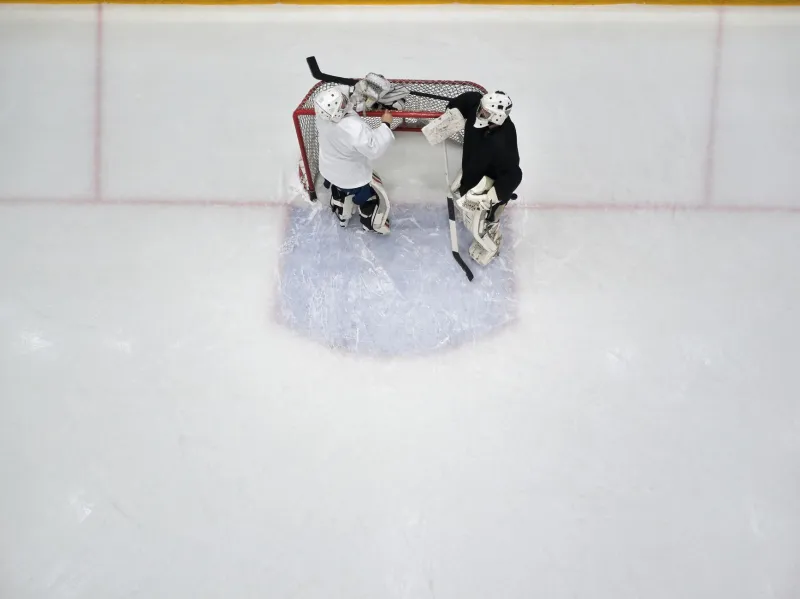
Ask any youth hockey coach in the Chicago area what keeps them up at night before a big weekend tournament, and there's a decent chance the answer has something to do with the kid wearing the pads. Not because that kid isn't trying — they almost always are — but because the system that's supposed to develop them into a reliable netminder has some serious cracks in it.
Goaltending in youth hockey is its own universe. It demands a completely different skill set, a different mental makeup, and frankly, a different kind of coaching than any other position on the ice. And yet, across many of Chicago's youth programs, goalies are still being treated like oversized defensemen who just happen to stand in front of the net.
That gap between what goaltenders need and what they're actually getting? It's showing up in the standings, in the stress levels of coaching staffs, and in the dropout rates of kids who might've had real potential between the pipes.
Why the Position Is So Hard to Fill
Let's start with the basics. Goaltending is intimidating. You're the last line of defense, every goal against feels personal, and the learning curve is steep in a way that most kids and parents don't fully anticipate when they first strap on the gear.
That gear, by the way, is expensive. A full goalie setup — pads, blocker, glove, mask, chest protector — can run anywhere from $800 to well over $2,000 for quality equipment at the Bantam or Midget level. For families already stretching their budgets across ice time, tournament fees, and travel costs, that's a significant barrier.
Then there's the emotional weight of the position. Forwards can have an off night and still feel okay about their effort. Goalies don't always get that luxury. A bad game can feel catastrophic in a way that's hard to shake, especially for younger players who haven't yet built the mental resilience the position demands.
The result? Fewer kids volunteer for the crease. And when teams do find someone willing to wear the pads, they often cling to that player — sometimes at the expense of their actual development.
The Coaching Gap Nobody Talks About
Here's the uncomfortable truth that doesn't get enough airtime at rink-side parent conversations: most youth hockey coaches, even the good ones, aren't equipped to develop goalies.
That's not a knock on coaches. It's a structural problem. The majority of coaches in youth programs were forwards or defensemen in their playing days. They understand skating, puck battles, systems, and offensive zone coverage. But the technical demands of goaltending — butterfly positioning, post integration, tracking pucks through screens, reading plays before they develop — those are a different language entirely.
Without a dedicated goalie coach on staff, young netminders are largely left to figure things out on their own or through YouTube rabbit holes. Some programs do bring in goalie-specific coaches for occasional sessions, but "occasional" is the key word. One or two sessions a month isn't enough to build the kind of repetition and muscle memory the position requires.
The programs that are actually producing solid goaltenders in Chicago tend to share one common thread: they've made goalie development a year-round priority, not a seasonal checkbox.
What the Successful Programs Are Doing Differently
Talk to coaches at some of the more consistently competitive programs in the Chicago area, and a few patterns emerge pretty quickly.
First, they're identifying goalie candidates early and treating specialization seriously from the Squirt level onward. Rather than rotating kids through the position just to give everyone a turn, they're actively recruiting kids who show the right instincts and working to build their confidence from day one.
Second, they're investing in position-specific coaching. Whether that means hiring a part-time goalie coach, partnering with a local goaltending academy, or connecting their goalies with older mentors who've played the position at a high level — they're not leaving development to chance.
Third, and maybe most importantly, they're building a culture where being the goalie is actually celebrated. In a lot of youth programs, the goalie is an afterthought in practice. They're stuck in the crease while everyone else runs drills, and they only really get attention when something goes wrong in a game. The programs seeing results are flipping that script — making their goalies feel like the most important player on the ice, because in a lot of ways, they are.
Tips for Parents and Players Eyeing the Crease
If your kid is interested in playing goal — or if you're a coach trying to encourage a player to give it a shot — here are a few things worth keeping in mind.
Don't wait for the team to develop your goalie. Seek out independent goalie coaching. There are dedicated goaltending schools and coaches in the Chicago area who work with players individually or in small groups. Even a handful of sessions during the off-season can make a meaningful difference.
Invest in the mental side early. Goaltending is as much a psychological position as it is a physical one. Helping young goalies develop pre-game routines, learn how to reset after a bad goal, and build genuine confidence in their preparation will pay dividends for years.
Be honest about the gear situation. Quality equipment matters for safety and for performance. If budget is a concern — and for a lot of Chicago families, it absolutely is — look into used equipment swaps, league loaner programs, and end-of-season sales. Don't let your kid play in gear that doesn't fit properly.
Find a program that actually values the position. Before committing to a team or organization, ask specific questions: Do you have a goalie coach on staff? How much dedicated crease time do goalies get in practice? How do you handle a goalie who's going through a rough stretch? The answers will tell you a lot.
Connect with the goalie community. There's a surprisingly tight-knit network of goalie parents and players in the Chicago hockey world. Online groups, local clinics, and even just chatting with goalies on other teams can provide support, resources, and perspective that's hard to find elsewhere.
The Bigger Picture
Chicago has the talent. The city and its suburbs produce competitive hockey players at every position, and there's no shortage of kids who are athletic, coachable, and hungry to improve. The goaltender gap isn't a talent problem — it's a development infrastructure problem.
Fixing it means programs committing real resources to goalie coaching, not just as a nice-to-have but as a foundational investment. It means changing the culture around how the position is perceived and supported. And it means giving young goalies the kind of consistent, specialized attention that actually builds the confidence and technical skill they need to thrive.
The teams that figure this out are going to have a serious edge. And honestly? Chicago hockey deserves more than scrambling for warm bodies to fill the crease. Our goalies deserve better than that too.