Controllers vs. Skates: Why Chicago Kids Are Choosing Headsets Over Hockey Sticks
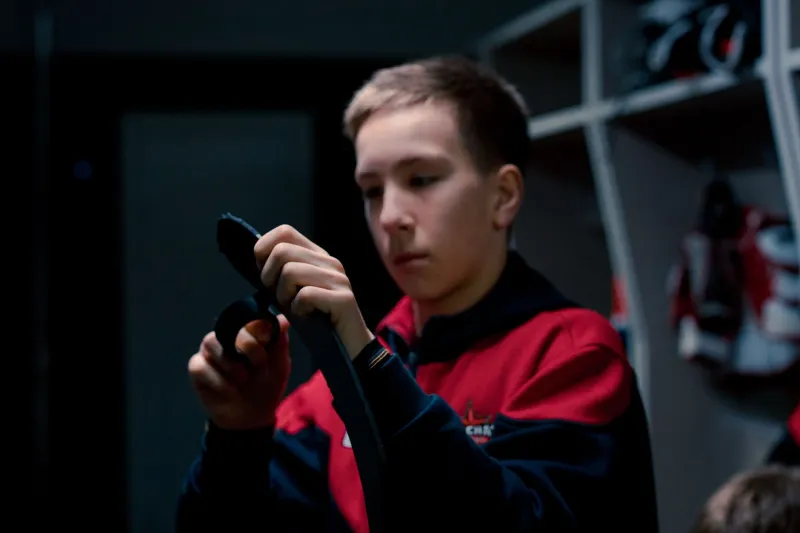
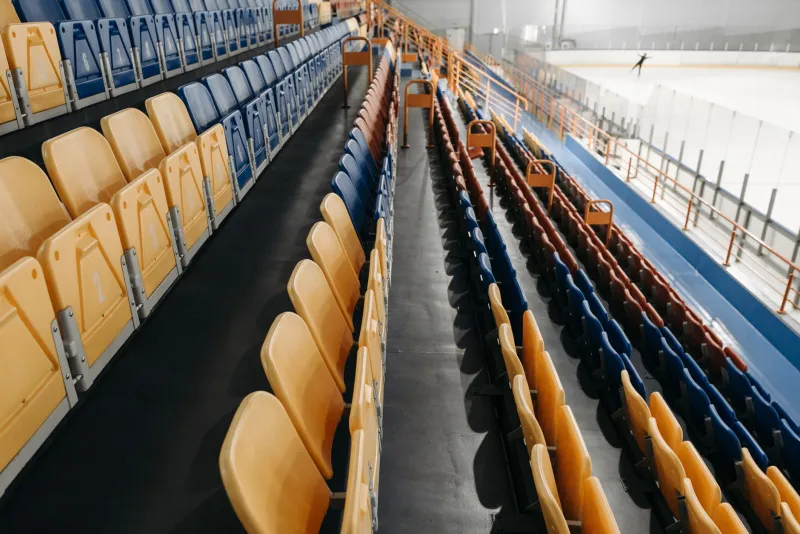
Walk into any Chicago-area rink on a weekday evening and you'll notice something that would have been unthinkable a decade ago: open ice time that nobody's fighting over. Not everywhere, not every night — but enough that the people running youth programs are starting to connect the dots between what's happening on their registration spreadsheets and what's happening on their kids' screens at home.
Competitive gaming — esports, in the modern shorthand — has quietly become one of the most organized, socially rewarding, and frankly accessible activities available to teenagers in America. And in a city like Chicago, where hockey has always had to hustle for attention against football, basketball, and baseball, that matters more than most people want to admit.
The Numbers Don't Lie
Registration trends across several Chicago-area youth hockey associations have shown noticeable softening in the 12-to-16 age bracket over the past few years. Program directors are careful about drawing straight lines between correlation and causation, but the timing lines up uncomfortably well with the explosion of organized esports at the middle school and high school level.
Illinois high schools have seen a surge in sanctioned esports teams, with hundreds of schools now fielding competitive gaming rosters. Those programs cost next to nothing to run, require no travel to distant rinks, and offer students a competitive team environment that scratches a lot of the same itches that traditional sports do — camaraderie, strategy, the thrill of winning.
"We're not losing kids to laziness," said one suburban Chicago program director who asked not to be identified by name. "We're losing them to something that feels just as competitive, costs their families a fraction of the price, and they can do it with their friends without anyone driving 40 minutes to Palatine."
That last part — the cost — is where the conversation gets uncomfortable for hockey specifically. Ice time is expensive. Equipment is expensive. Tournament fees, league dues, travel costs — the financial barrier to youth hockey participation is real, and it's been real for a long time. Esports has essentially zero barrier to entry for any kid who already has a gaming console or a halfway decent PC.
What Esports Gets Right
Here's the thing that hockey organizations need to sit with for a minute: esports didn't steal these kids by accident. The gaming industry has spent enormous energy understanding what young people want from a competitive experience, and then building exactly that.
Instant feedback. Clear skill progression. Constant social connection. Recognition for individual achievement within a team structure. The ability to compete at any hour, from anywhere, with friends who live across town or across the country.
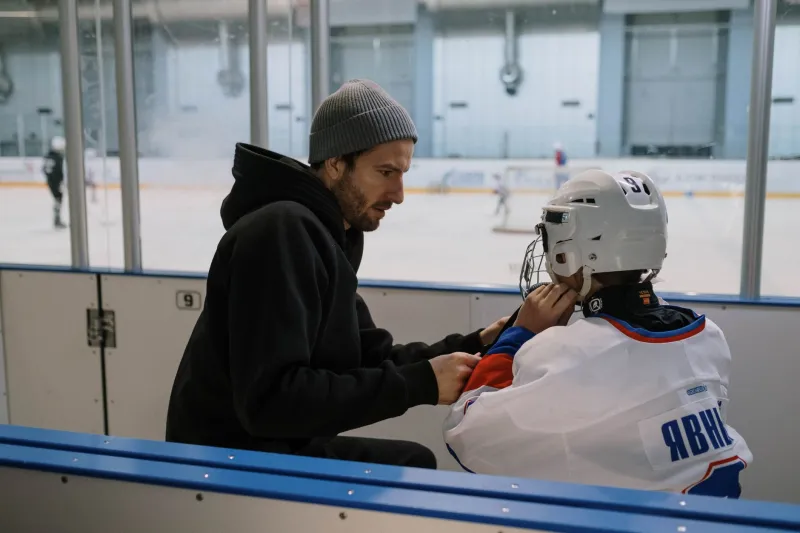
Now think about the average youth hockey experience. You practice twice a week if you're lucky. Games happen on weekends. If you're not on the top line, your development can feel invisible. Your parents spend a significant chunk of the family budget just keeping you on the ice. And the social element — hanging with your friends — is limited to the hours you're actually at the rink.
Esports solved all of those friction points. Hockey hasn't had to solve them before, because there was never a competitor this good at solving them.
The Engagement Gap Is Real
Program directors who are paying attention aren't just lamenting the situation — some of them are starting to borrow pages from the esports playbook. And honestly? It's not as strange as it sounds.
Some organizations have started using video analysis tools that let players review their own shifts, track their positioning, and get data-driven feedback on their performance. That kind of instant, individualized feedback loop is something esports players take for granted. When a hockey player can pull up their own footage on a tablet and see exactly what they did wrong on a defensive zone breakdown, it changes how engaged they are in their own development.
Other programs have leaned harder into the community-building side of things — group chats, highlight reels shared on social media, team content that makes players feel like their contributions are visible and celebrated even when they're not the leading scorer. Again, that's something gaming culture does naturally. Hockey culture is learning.
"We started doing a lot more with video and with making players feel like they're being seen," said a coach with a north suburban mite and squirt program. "Kids want to know their progress is being tracked, that someone notices when they level up. That's not a gaming thing, that's just a human thing. We just have to be more intentional about it."
What Chicago Hockey Families Can Do
If you've got a kid who's torn between lacing up and logging on, you're not alone — and you're not failing as a hockey parent. This is a genuinely complicated moment for youth sports, and the pull of esports is real and legitimate.
The honest answer isn't to wage war against screens. It's to make the hockey experience compelling enough to compete. That means programs that communicate well, coaches who give players real feedback, and environments where kids feel like they belong regardless of where they land on the depth chart.
It also means acknowledging that some kids might do both — and that's okay. A teenager who plays rec hockey on weekends and competes in an esports league during the week isn't a lost cause for the ice. They're a kid with a full life who might age back into a more serious hockey commitment if the experience stays positive.
The Bigger Picture for Chicago Hockey
Chicago has a hockey culture worth fighting for. This city produces players, it produces fans, and it produces the kind of community around a rink that you just don't manufacture overnight. But that culture doesn't perpetuate itself automatically — it requires organizations that are willing to look honestly at why kids are making the choices they're making.
Esports isn't going away. If anything, it's going to get more organized, more accessible, and more socially rewarding as the technology improves. The youth hockey programs that figure out how to borrow what works from that world — the feedback loops, the visibility, the community — while leaning into what makes hockey irreplaceable — the physical challenge, the team bonds forged through shared suffering, the pure joy of a clean breakout — those are the programs that are going to keep their rosters full.
The rinks aren't empty yet. But the window to adapt isn't open forever.