More Ice Time Isn't the Answer: What Chicago Youth Players Actually Need This Summer
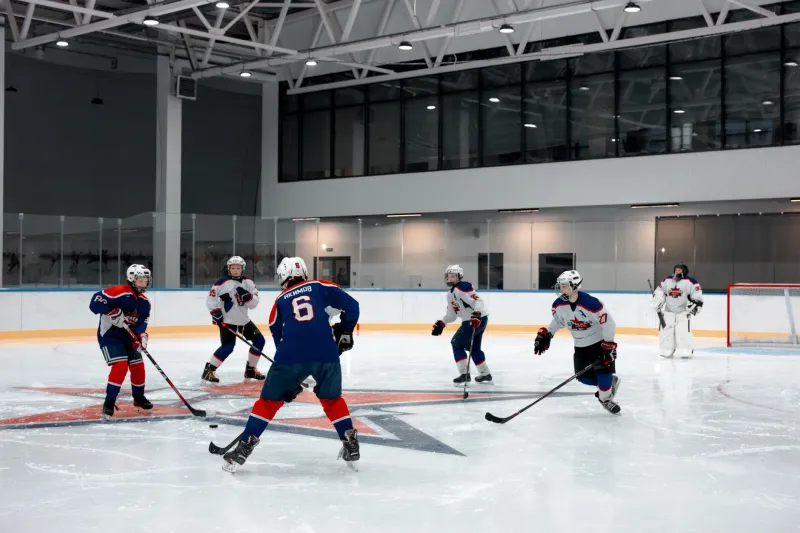
The moment the regular season wraps up, a familiar ritual kicks off across Chicagoland. Parents start scanning skating schedules, booking open hockey sessions, and signing their kids up for every summer ice program they can find. The logic seems airtight: more time on skates equals a better hockey player. Simple math, right?
Not exactly.
Coaches and player development specialists working with youth programs throughout the Chicago area are pushing back on this assumption — hard. And the data, along with a little common sense, backs them up. Piling on ice hours without a structured, well-rounded development plan doesn't just fail to move the needle. In many cases, it actively gets in the way.
The Illusion of Progress
Here's the thing about skating laps and running drills in an open hockey session: it feels productive. Kids are moving, they're sweating, they're on the ice. Parents watching from the stands see hustle and assume improvement is happening. But repetition without intention is just habit-building — and if a player is reinforcing poor mechanics or skating patterns, all those extra hours are cementing bad habits, not breaking them.
Elite programs in the Chicago market understand this distinction. The best development coaches aren't just asking how many hours a player logs on the ice. They're asking what quality of instruction accompanied those hours. A single focused session with a skilled skating coach who corrects a player's edge work will do more than ten open skates where a kid is just messing around with friends.
That's not a knock on open hockey — there's value in unstructured play. But it shouldn't be mistaken for a development strategy.
What Off-Ice Work Actually Does
Talk to any serious program in the Chicago area — whether that's a competitive travel organization or a well-run house league — and you'll hear the same thing: the off-season is when the real work happens. And a huge chunk of that work doesn't happen on ice at all.
Strength and conditioning is one of the most underutilized tools in youth hockey development. Players who spend the summer building lower-body strength, improving their core stability, and developing explosive power show up to fall tryouts in a completely different physical condition than those who skated all summer but never touched a weight room or a resistance band. The difference is visible within the first few shifts.
Agility and athleticism transfer directly to the ice. A kid who spends time working on lateral quickness, balance, and body control off the ice becomes a more dynamic skater — not because they practiced skating, but because they developed the physical tools that skating requires.
The Mental Side Nobody Talks About
Hockey is a fast, chaotic game. The players who consistently perform at high levels aren't just the most physically gifted — they're the ones who can read the ice, make quick decisions, and stay composed when things go sideways. That's a mental skill set, and it requires intentional development just like skating or shooting.
Yet mental conditioning is almost completely absent from most youth hockey summer plans in Chicago. Visualization, focus training, learning to manage competitive pressure — these aren't soft extras reserved for pros. They're foundational skills that separate players who plateau from players who keep climbing.
Some of the more progressive programs in the area have started incorporating mental skills work into their summer curricula. Parents who invest in that kind of training often notice a shift not just in how their kid performs, but in how they respond to adversity during games. That's a development win that no amount of extra ice time can replicate.
Where the Money Actually Goes
Let's be real for a second, because Chicago hockey families know this game is expensive. A summer full of ice sessions, skating clinics, and tournament play can run a family several thousand dollars without much trouble. If that investment isn't paired with genuine development outcomes, it's a significant financial hit for something that looks productive but doesn't move the needle.
The smarter spend? A focused mix of targeted on-ice skill work — actual instruction, not just open skating — combined with off-ice athletic development and, where possible, some exposure to mental performance strategies. That combination, even done at a lower overall cost, tends to produce more measurable progress than a summer calendar packed wall-to-wall with ice time.
Parents should feel empowered to ask programs and coaches direct questions: What are the specific skills being developed in this session? How is progress being measured? What does the coach-to-player ratio look like? If those questions get vague answers, that's useful information.
Skill Development vs. Repetition
There's an important distinction between skill development and skill repetition. Repetition is doing the same thing over and over. Development is doing something correctly, with feedback, until it becomes automatic — and then progressively challenging it.
The best summer programs for Chicago youth players are built around development, not repetition. They introduce players to concepts they haven't mastered, put them in situations that require problem-solving on the ice, and give them the coaching feedback loop that actually drives improvement.
Position-specific training is another area where the off-season can shine when used correctly. A defenseman who spends focused time on gap control, angling, and breakout reads during the summer is going to show up to fall camp with a conceptual edge over a peer who simply skated more. Same goes for forwards working on zone entries, puck protection, or net-front presence.
Reframing What Summer Success Looks Like
For Chicago hockey families, it might be time to redefine what a successful summer actually looks like. Success isn't a full calendar of ice sessions. It's a player who arrives at fall evaluations noticeably stronger, more confident, and more capable than they were in March.
That might mean fewer hours on the ice and more hours in the gym, in the film room, or working with a skills coach in a low-ratio environment. It might mean taking a couple weeks completely off to let the body recover and let the love of the game reset — something that matters more than most parents realize, especially for players who've been grinding since September.
The summer skating myth is a comfortable one because it gives families something tangible to do. But the programs producing Chicago's best young players aren't just booking more ice. They're being intentional about every hour of development — on and off the rink.
That's the standard worth chasing.