When the Bench Shakes: Surviving Coaching Changes and Team Drama in Chicago Youth Hockey
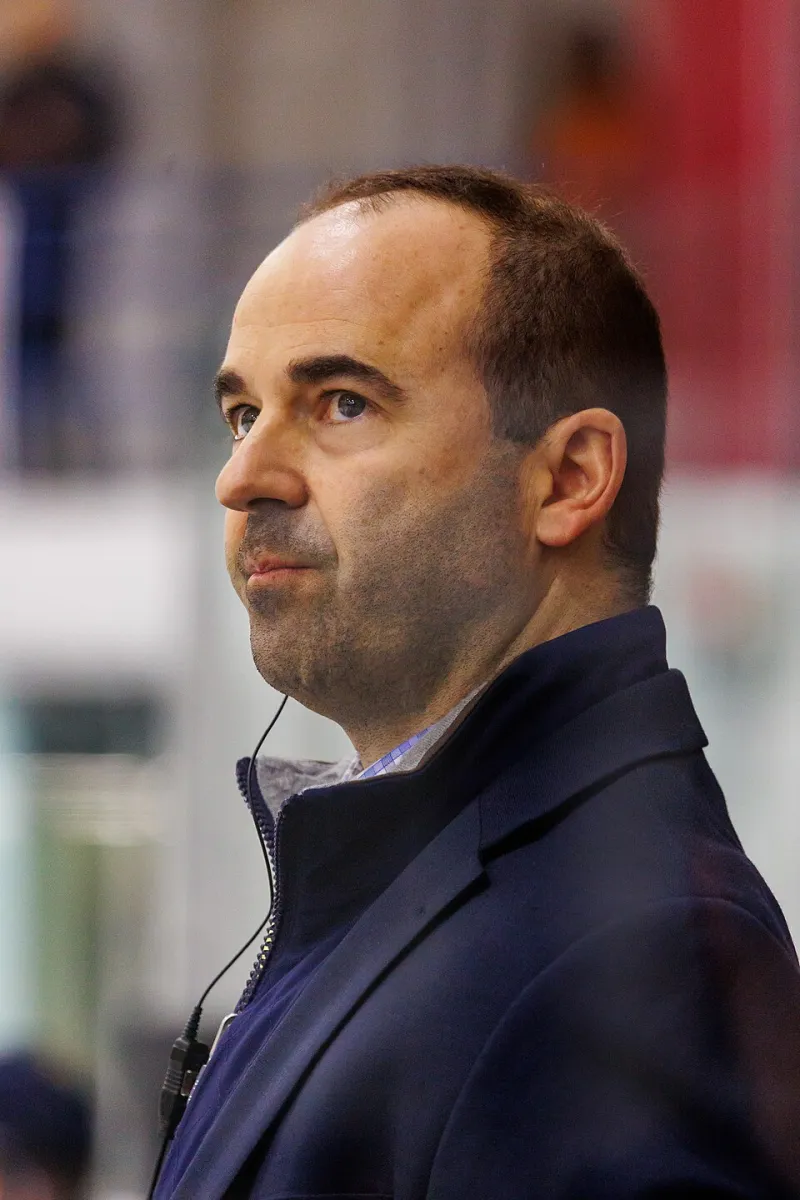
Photo: Kenneth C. Zirkel, CC BY 4.0, via Wikimedia Commons
It happens every season somewhere in the Chicago hockey community. A coach steps down mid-year. A board meeting goes sideways. A parent group fractures over ice time allocations. Suddenly the thing your kid loves most — the game, the teammates, the grind — gets wrapped up in adult drama that has absolutely nothing to do with a slap shot or a defensive zone breakout.
If you've been around Chicago youth hockey long enough, you've seen it. And if you're newer to the scene, consider this your orientation.
Navigating the interpersonal and organizational side of youth hockey isn't glamorous. Nobody puts it on the recruiting brochure. But understanding how to move through these situations — calmly, strategically, and with your kid's best interests front and center — is genuinely one of the most important skills a hockey family can develop.
Why the Politics Exist in the First Place
Let's start with some honesty: youth hockey organizations are complicated ecosystems. You've got volunteer board members, paid coaches, part-time staff, rink management, and dozens of families — all with different expectations, financial investments, and visions for what the program should be.
In Chicago, where the competition between programs is real and roster spots feel precious, the stakes feel even higher. When a coach gets replaced or a director leaves, it rarely happens in a vacuum. There are usually weeks or months of tension leading up to it, and the fallout can ripple through every age group in the organization.
Understanding that the politics are structural — not personal — is the first mental shift families need to make. These situations aren't unique to your rink. They happen in Northbrook, Orland Park, Wilmette, and every other hockey corridor around the city.
How to Read the Room Without Getting Sucked In
When organizational tension starts building, families often split into camps: the ones who get deeply involved in the drama, and the ones who try to stay completely invisible. Neither extreme serves your kid particularly well.
Staying informed is smart. Getting consumed is a trap.
Here's a practical approach: identify one or two other parents you genuinely trust — people who communicate facts rather than speculation — and keep those lines open. Attend official meetings when they're offered. Read communications from the organization carefully. And resist the urge to fill information gaps with assumptions or social media chatter, which in Chicago hockey circles can spread faster than a two-line pass.
The goal isn't to know everything. It's to know enough to make good decisions for your family.
When a Coaching Change Hits Your Team
Coaching transitions are among the most disruptive events a youth hockey family can experience, especially mid-season. Your kid has built a relationship with a coach, learned a system, and developed trust — and then that person is gone.
The first thing to remember: your child is going to take emotional cues from you. If you're visibly angry, anxious, or dismissive of the new coaching staff, your kid will absorb that. It doesn't mean you have to pretend everything is perfect. It means being intentional about how you process your own feelings before you discuss the situation with your player.
For the player, the transition is actually a development opportunity in disguise. Learning to adapt to a new coach's system, communication style, and expectations is something every hockey player will face repeatedly throughout their career — at the high school level, in juniors, in college. The players who handle those transitions well are the ones who tend to advance.
Encourage your kid to approach the new coach with an open mind and a coachable attitude. That reputation, once established, pays dividends well beyond one season.
Advocating for Your Child Without Burning Bridges
There's a version of parent advocacy that helps kids and a version that creates long-term problems. The difference usually comes down to timing, tone, and intent.
If you have a genuine concern — your child's development isn't being addressed, there's a communication breakdown between coach and player, or something inappropriate has occurred — you have every right to raise it. But how you raise it matters enormously.
Request a private conversation rather than airing grievances in a group setting or, worse, the parking lot after practice. Come prepared with specific observations rather than generalizations. Focus on what you're hoping to see change rather than assigning blame. And listen — actually listen — to the response you get.
In the tight-knit world of Chicago hockey, reputations follow families from program to program. The parent who communicates professionally and in good faith is remembered that way. So is the one who doesn't.
Recognizing When It's Time to Move On
Sometimes the right answer isn't to endure — it's to find a better fit. Not every program is right for every player, and a coaching change or organizational shift can be the moment that clarifies a mismatch that was already there.
Some honest signals that it might be time to explore other options:
- Your child has genuinely stopped enjoying the game, and the environment — not just a rough stretch — is the reason
- The new leadership has a development philosophy that fundamentally conflicts with your player's needs or goals
- There's a pattern of poor communication or disorganization that shows no signs of improving
- Your child has expressed a real desire to try a different program, and it's coming from them, not from you
If you do decide to make a move, do it cleanly. Honor any commitments you've made for the current season where possible. Communicate directly and respectfully with the organization. Don't recruit other families to follow you out the door. Chicago's hockey community is smaller than it looks, and the way you leave a program says as much about your family as why you left.
Keeping Your Kid's Development the North Star
Here's the thing that's easy to lose sight of when organizational drama is swirling: your kid is trying to get better at hockey. That's it. That's the whole mission.
Every decision you make during a period of team or organizational instability should be filtered through that lens. Does this conversation, this choice, this response help or hurt my child's development and their relationship with the game?
The families who come out of turbulent seasons with their kids still loving hockey and still improving are usually the ones who managed to keep that question at the center of everything.
Chicago hockey is worth fighting for. Just make sure you're fighting for the right things — and fighting the right way.